The Ultimate Resource for Comprehending Canine Training Approaches and Best Practices
Understanding dog training methods and ideal methods is important for any dog owner. Numerous methods exist, each with special benefits and difficulties. Positive reinforcement has actually become a preferred method, yet numerous false impressions linger. Discovering these techniques can light up effective strategies and disclose the subtleties of canine behavior. As the journey unravels, one may uncover very useful sources that improve both training and the bond with their dog. What understandings await those willing to discover additionally?
Understanding the Essentials of Pet Dog Training
Effective pet training depends upon a solid understanding of its basic principles. At its core, pet dog training involves showing a dog to reply to commands and behave properly in numerous circumstances. This process requires uniformity, patience, and favorable reinforcement, which urges preferred behaviors while inhibiting unwanted ones.
Understanding canine behavior is crucial, as it helps instructors recognize how canines connect and learn. Elements such as socialization, atmosphere, and specific character play substantial duties fit a canine's feedback to training. Additionally, developing a bond based upon trust fund and regard enhances the training experience for both the pet dog and the trainer.
Clear interaction is necessary, as dogs react best to basic commands and signs. By laying a strong foundation rooted in these standard concepts, trainers can efficiently assist their pets toward ending up being well-behaved buddies. This understanding establishes the phase for exploring more specialized training methods in subsequent discussions.
Popular Pet Training Approaches Explained
In the domain of dog training, different approaches have actually gained appeal among trainers and pet dog proprietors. Favorable support techniques focus on satisfying preferred habits, while clicker training supplies a certain method to mark those actions efficiently. Comprehending these techniques can improve the training experience for both canines and their handlers.
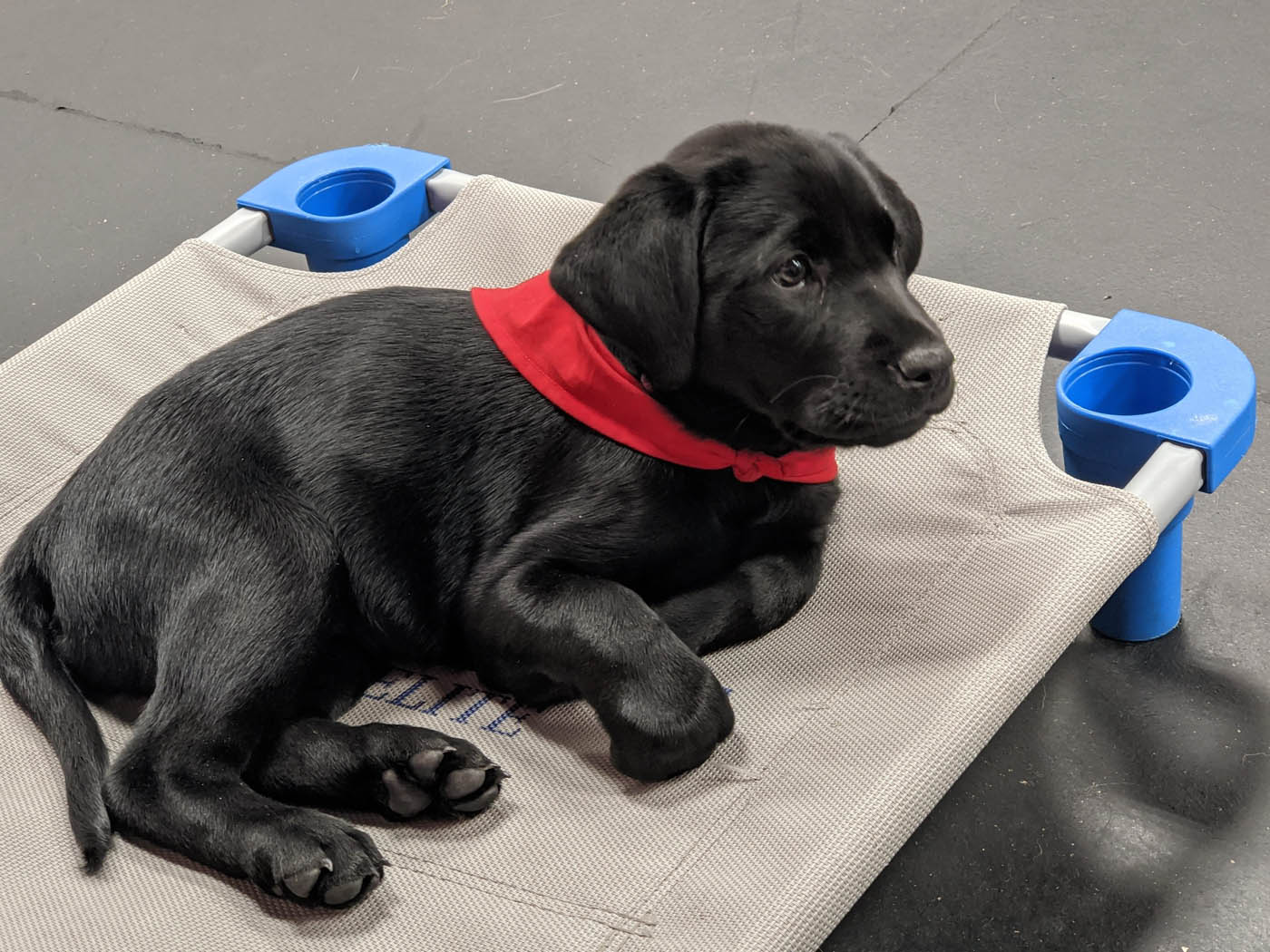
Positive Support Strategies
Positive reinforcement methods have actually emerged as a foundation of contemporary pet training, emphasizing the importance of rewarding desirable habits to motivate their repetition. This technique concentrates on giving positive stimuli, such as deals with, appreciation, or play, instantly after the pet does the wanted action. The underlying concept is that pets are more likely to duplicate actions that cause favorable end results. Instructors commonly utilize this strategy to educate commands, change actions, and construct trust between the dog and handler. Uniformity is vital; rewards should be timely and specific to enhance the organization in between the habits and the benefit. Generally, positive reinforcement advertises a enjoyable and healthy and balanced discovering atmosphere for both canines and their proprietors, cultivating a solid bond.
Clicker Training Basics
Several pet dog fitness instructors integrate remote control training as a preferred method to boost interaction with their animals. This technique makes use of a tiny gadget that gives off a distinct clicking audio to mark preferred habits quickly. The click acts as a signal to the pet that they have performed the correct activity, complied with by a reward, normally a treat. Unlike various other training techniques, clicker training highlights timing and consistency, which assists canines understand what is anticipated of them. Trainers usually start with basic commands, progressively progressing to extra complicated jobs. This technique cultivates a positive learning setting, strengthening the bond in between pet and owner. As a result, remote control training is recognized for its efficiency and adaptability throughout different canine types and training circumstances.
Favorable Support: The Many Reliable Technique
Positive support stands apart as one of one of the most effective pet dog training strategies due to its many benefits for both trainers and pet dogs. By fulfilling preferred behaviors, owners can cultivate a favorable discovering atmosphere that urges their animals to repeat those actions. Typical strategies, such as treats, praise, and play, play a crucial role in effectively applying this method.
Benefits of Positive Support
While various training techniques exist, positive reinforcement has become one of the most effective techniques for shaping desired behaviors in canines. This technique motivates family pets to repeat beneficial activities by compensating them with deals with, appreciation, or playtime. One significant benefit is the establishment of a solid bond in between the pet and the instructor, cultivating count on and teamwork. In enhancement, positive reinforcement reduces concern and anxiousness, promoting a much more satisfying understanding setting. It improves the canine's overall well-being, as they find out in a worry-free environment. In addition, pets educated with positive support have a tendency to display better retention of found out actions, resulting in lasting obedience and improved socializing. Inevitably, this technique supports an unified relationship in between dogs and their proprietors.
Common Strategies Discussed
Exploring numerous training techniques discloses that positive support attracts attention as one of the most efficient strategy for canine training. This strategy focuses on rewarding preferred behaviors, making it much easier for dogs to associate activities with favorable results. Treats, praise, and play act as rewards, urging pet dogs to repeat etiquette. Unlike revengeful approaches, positive support fosters a trusting partnership in between canine and owner, lowering concern and stress and anxiety. Furthermore, this method has been revealed to enhance a pet dog's excitement for discovering. Common techniques consist of clicker training, where a distinct noise notes the wanted actions, and using high-value rewards for tough tasks. In general, favorable support not just advertises effective training however additionally supports a happy and well-adjusted canine friend.
Usual Misconceptions Concerning Pet Training Debunked
Many dog proprietors drop target to common misconceptions concerning training, typically causing confusion and disappointment. One common misconception is that a canine's behavior is solely established by type, recommending that particular types are inherently difficult to educate. In truth, individual individuality and training techniques play a more significant duty. One more false impression is that punishment is essential for reliable training. Favorable reinforcement has shown to be more reliable in promoting desired habits. Furthermore, some believe that older dogs can not discover brand-new techniques, but pets of any type great post to read of age can adapt and discover with the right approach. Lastly, the concept that training must be easy and fast commonly results in impractical expectations. Successful training needs perseverance, time, and consistency. By unmasking these misconceptions, canine owners can adopt a lot more effective training techniques, causing much healthier relationships with their family pets and improved behavior generally.
Tips for Effective Pet Training Sessions
Effective pet training sessions are improved a foundation of clear communication and favorable support, Visit Website making sure that both the pet and the trainer recognize the expectations. To make the most of effectiveness, fitness instructors ought to preserve a calm and client demeanor, as canines typically mirror human feelings. Uniformity is crucial; signs and commands need to be used uniformly to avoid confusion.
Short, concentrated training sessions, typically lasting 5 to 15 mins, can enhance retention and engagement. Incorporating a variety of workouts maintains the sessions promoting and protects against boredom. Making use of high-value deals with or playthings can inspire the canine and enhance desired behaviors.
Timing is essential; incentives need to be given quickly after the preferred behavior to develop a clear link. Lastly, finishing each session on a positive note, with appreciation or play, fosters a sense of success and interest for future training. These methods jointly contribute to effective and enjoyable training experiences.
Developing a Stronger Bond With Your Dog Via Training
A solid bond between a pet dog and its owner can greatly boost the training experience. This connection cultivates count on, making the canine more receptive to discovering. Participating in constant training sessions allows proprietors to communicate properly with their canines, enhancing positive actions while developing mutual respect.
Favorable reinforcement methods, such as deals with and appreciation, enhance this bond, urging canines to link training with enjoyable experiences. Furthermore, incorporating play right into training can make finding out fun, boosting the psychological link.
Comprehending a pet's body language is likewise crucial; it gives insights right into the pet's convenience and determination to engage. When owners respond suitably to their canine's signals, they grow a feeling of safety and understanding.
Eventually, spending time in training not just improves obedience but likewise deepens the emotional ties in between pets and their proprietors, causing a harmonious and fulfilling partnership.
Resources for Continued Discovering and Support
To enhance their pet dog training journey, proprietors can access a selection of sources that supply continuous knowing and support. Dog Training Near Me. On the internet systems such as webinars, training courses, and online forums allow family pet owners to get in touch with knowledgeable fitness instructors and fellow pet dog fanatics. Websites like the Organization of Specialist Pet Dog Trainers (APDT) use beneficial articles and suggestions on diverse training approaches
Publications authored by respectable fitness instructors function as excellent overviews for comprehending different techniques and philosophies. Local recreation center and animal stores often organize training classes, giving hands-on experience and socialization chances for both canines and their proprietors. In addition, social media groups can supply real-time advice and motivation, creating a supportive network.
Podcasts concentrated on pet dog training topics can additionally be a practical way for proprietors to absorb new information while on the move. With each other, these resources cultivate continual discovering, guaranteeing that pet proprietors stay complete to support their canine companions efficiently.
Often Asked Inquiries
The length of time Does It Require To Train a Pet Successfully?
The time required to train a pet dog successfully varies significantly, depending upon elements such as the canine's age, breed, personality, and the uniformity of the training methods made use of. Usually, it can take several weeks to months.
Can I Train My Pet dog Myself or Should I Employ an Expert?
Establishing whether to train a dog individually or work with a professional relies on the owner's experience, the canine's temperament, and particular training demands. Dog Training Near Me. Both methods can be effective, however advice may improve the process considerably
What Age Is Ideal for Starting Canine Training?
The most effective age for read this post here beginning dog training commonly falls in between 8 to 16 weeks. At this phase, young puppies are most responsive to learning, making it an excellent time to develop fundamental abilities and socializing.
Exactly how Do I Fix Unwanted Behaviors in My Pet dog?
To fix unwanted actions in a pet, uniformity is essential. Strategies such as favorable support, redirecting attention, and developing clear commands assist lead the dog toward preferred activities, promoting far better behavior with time.
Are There Particular Breeds That Are Easier to Train?
Specific types, such as Boundary Collies, Poodles, and Labrador Retrievers, are usually thought about less complicated to educate as a result of their knowledge and desire to please. Specific character and proprietor uniformity likewise significantly influence training success.
Recognizing pet dog training approaches and best practices is essential for any pet dog owner. Positive reinforcement stands out as one of the most efficient pet training techniques due to its countless benefits for both pet dogs and fitness instructors. Successful pet dog training sessions are built on a foundation of clear communication and favorable reinforcement, making sure that both the trainer and the pet dog comprehend the assumptions. The time called for to train a pet dog successfully varies significantly, depending on elements such as the pet's age, breed, temperament, and the consistency of the training techniques used. Identifying whether to educate a dog independently or hire a specialist depends on the owner's experience, the dog's personality, and details training needs.